The Quiet Power of a Look
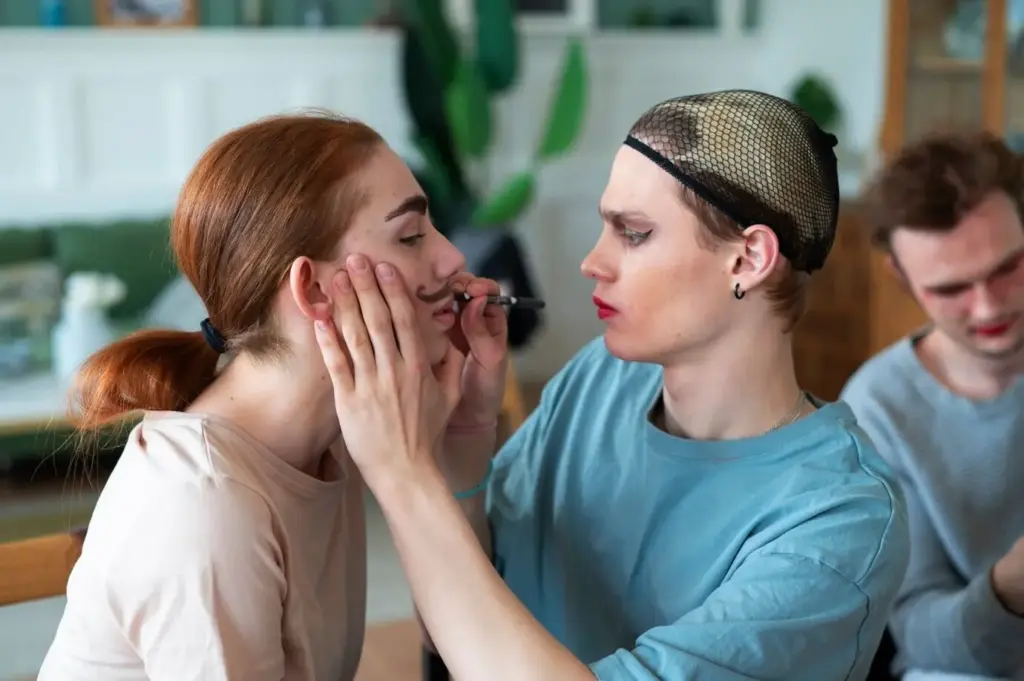
Today we explore eye contact and gaze behavior, building trust without words through subtle, human signals that speak before our voices do. From meetings to first dates and video calls, discover practical ways to connect, soothe anxiety, and communicate respect. Try the exercises, reflect on your results, and share your experiences with our community so others can learn from your wins and honest missteps.

What Your Brain Notices First

Before you consciously register anything, specialized neural circuits flag eye whites, motion, and direction of gaze. Infants follow caregivers’ gaze long before language, hinting at ancient survival value. In fast interactions, those micro-assessments help prioritize attention and predict intention. Moments later, conscious reasoning catches up. Understanding this sequence lets you pace conversations more thoughtfully, offering pauses, warmth, and steadiness at the precise moments people most need reassurance.

Tiny Movements That Shape Credibility

Blink rate, microsaccades, and pupil changes can suggest cognitive load, stress, or curiosity, yet none are definitive alone. Patterns matter more than isolated cues. A quick sequence—question, brief gaze aversion to think, return to meet eyes—often reads as thoughtful rather than evasive. Pair calm breathing with a soft focus to reduce unhelpful fidgeting. When unsure, slow down, ask clarifying questions, and let your eyes show patient interest instead of pressure.

Everyday Techniques You Can Use Today

Practical adjustments transform conversations quickly. Aim for a natural rhythm—more eye contact while listening, slightly less while speaking, with gentle breaks to avoid intensity. Try the eyes-mouth triangle to keep your focus soft. A three-to-five-second hold often feels friendly, not fixed. Combine that with slow exhalations, relaxed facial muscles, and genuine curiosity. These micro-skills signal, without speeches, that people are safe, heard, and valued exactly where they are.

Leading, Persuading, and Negotiating

Influence begins with safety and clarity. In leadership and negotiation, firm yet kind eye contact reduces uncertainty and invites reciprocity. Still, there is a threshold; overuse can feel adversarial. Balance confident holds with respectful releases. Use your gaze to underline values, not to bulldoze. When decisions matter, pair steady eyes with transparent reasoning and genuine questions. People trust leaders who look at them like partners, not targets to be won.

Romance, Friendship, and Care

Connection deepens through playful curiosity and attuned restraint. A smile that reaches the eyes, paired with gentle gaze, can invite closeness without demanding anything. Time your look with shared laughter, solve awkwardness with authentic warmth, and accept boundaries immediately. When in doubt, ask. Mutual comfort beats performance. Your eyes should communicate, I am here with you, at your pace, ready to celebrate your yes and honor your no.

Public Speaking and Teaching

Large rooms feel intimate when your gaze carries care from person to person. Instead of skimming heads, land your attention, finish a complete thought, and move. This approach lets listeners feel individually addressed while still part of a whole. Combine it with purposeful pauses, stories, and questions that invite participation. When curiosity guides your eyes, audiences lean forward. They sense you are teaching with them, not performing at them.

Gentle Practice That Builds Comfort

Start with low-stakes reps: look at your reflection while exhaling slowly, then practice brief eye contact with a supportive friend while labeling sensations. Try three breaths on, one breath off. Expand to short conversations in calm settings. Celebrate small wins, like holding a warm glance during a greeting. Treat discomfort as data, not failure. Sustainable progress comes from dosing effort wisely, then resting, so confidence grows without harsh pressure or performance fatigue.

Beware of Misreading Avoidance

Avoid jumping to conclusions about honesty from gaze alone. Cultural norms, anxiety, sensory overwhelm, medication, and neurodiversity can all affect eye behavior. Someone breaking eye contact may be retrieving information or shielding from bright lights, not hiding facts. Evaluate patterns across time, alignment between words and actions, and contextual constraints. When unsure, ask compassionate questions. Curiosity beats certainty. This mindset keeps relationships fair, and it prevents costly misjudgments about character or intent.

Track Progress and Share

Keep a brief journal noting settings, comfort levels, and one small victory per day, like a friendly checkout interaction or calmer video call. Review weekly to spot patterns and refine practice. Invite readers to comment with their experiments, wins, and honest stumbles so we can build a practical library together. Subscribe for new exercises and real stories. Collective learning compounds faster when we exchange what worked and where we still feel unsure.

Ranulumikalolo
Privacy Overview

This website uses cookies so that we can provide you with the best user experience possible. Cookie information is stored in your browser and performs functions such as recognising you when you return to our website and helping our team to understand which sections of the website you find most interesting and useful.